Transforming Communities: Lessons from Neighborhood Revitalization
Understanding Neighborhood Revitalization
Neighborhood revitalization is an essential process for transforming communities, focusing on improving physical spaces and enhancing the quality of life for residents. This process involves a combination of economic development, infrastructure improvement, and social programs that work together to breathe new life into forgotten areas.
Many communities that have undergone revitalization have seen significant improvements, not only in aesthetics but also in increased property values, reduced crime rates, and strengthened community bonds. The journey to revitalization is complex and requires the collaboration of various stakeholders, including local governments, businesses, and residents.
The Role of Community Engagement
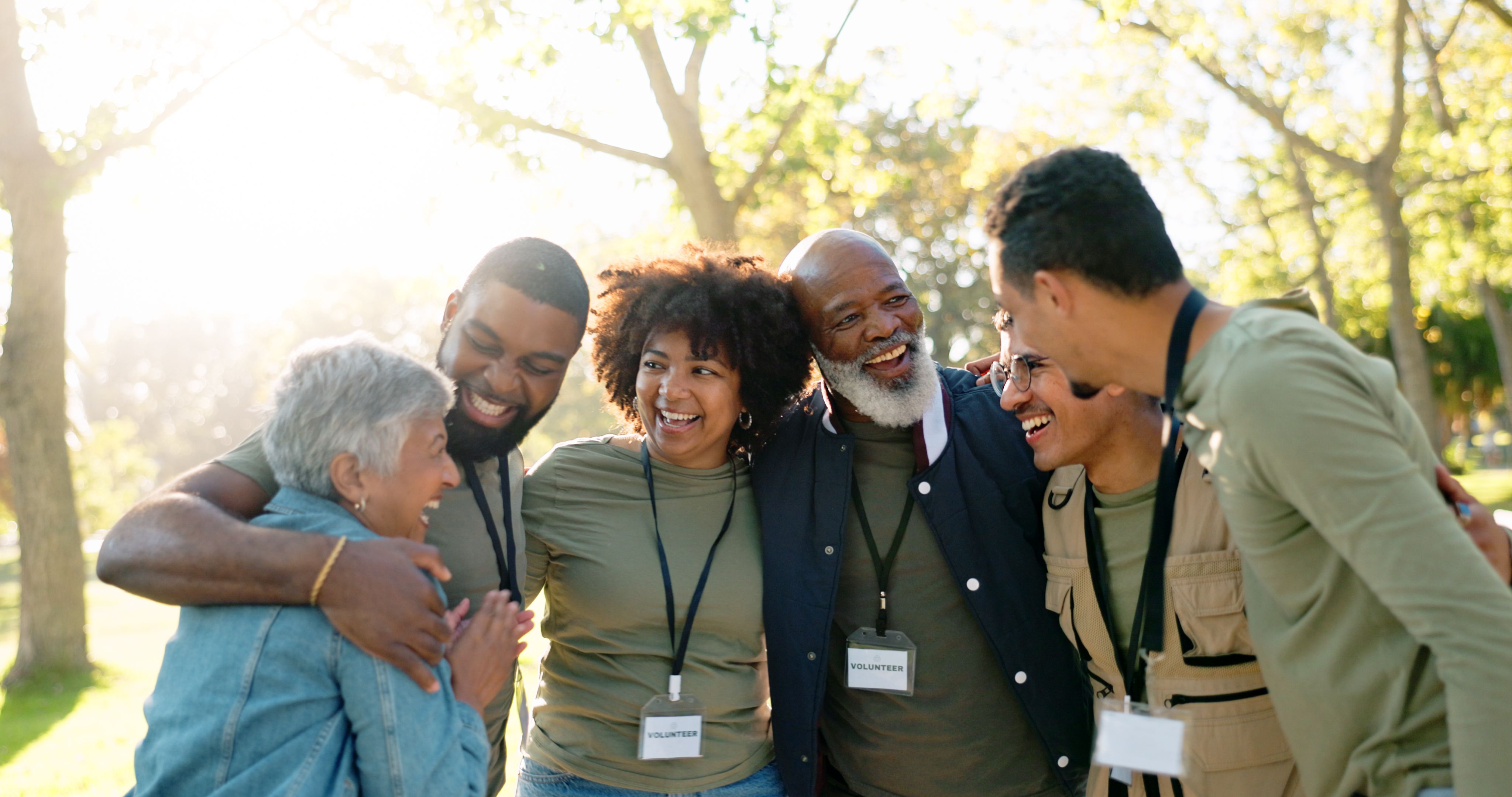
A critical lesson from successful neighborhood revitalization projects is the importance of community engagement. Residents must be involved in the planning and execution stages to ensure that the changes reflect their needs and desires. By fostering a sense of ownership and pride, communities can create more sustainable and impactful transformations.
Effective community engagement can take many forms, such as town hall meetings, surveys, and workshops. These platforms provide opportunities for residents to voice their opinions and contribute to the decision-making process, ensuring that the revitalization efforts benefit everyone.
Economic Development Strategies
Revitalization often hinges on robust economic development strategies. By attracting new businesses and supporting existing ones, communities can create jobs and stimulate local economies. Incentives such as tax breaks, grants, and low-interest loans can attract entrepreneurs and investors to the area.
Additionally, creating mixed-use developments that combine residential, commercial, and recreational spaces can enhance the vibrancy of neighborhoods. These developments encourage foot traffic and foster a sense of community, making neighborhoods more attractive to residents and visitors alike.
Improving Infrastructure and Amenities
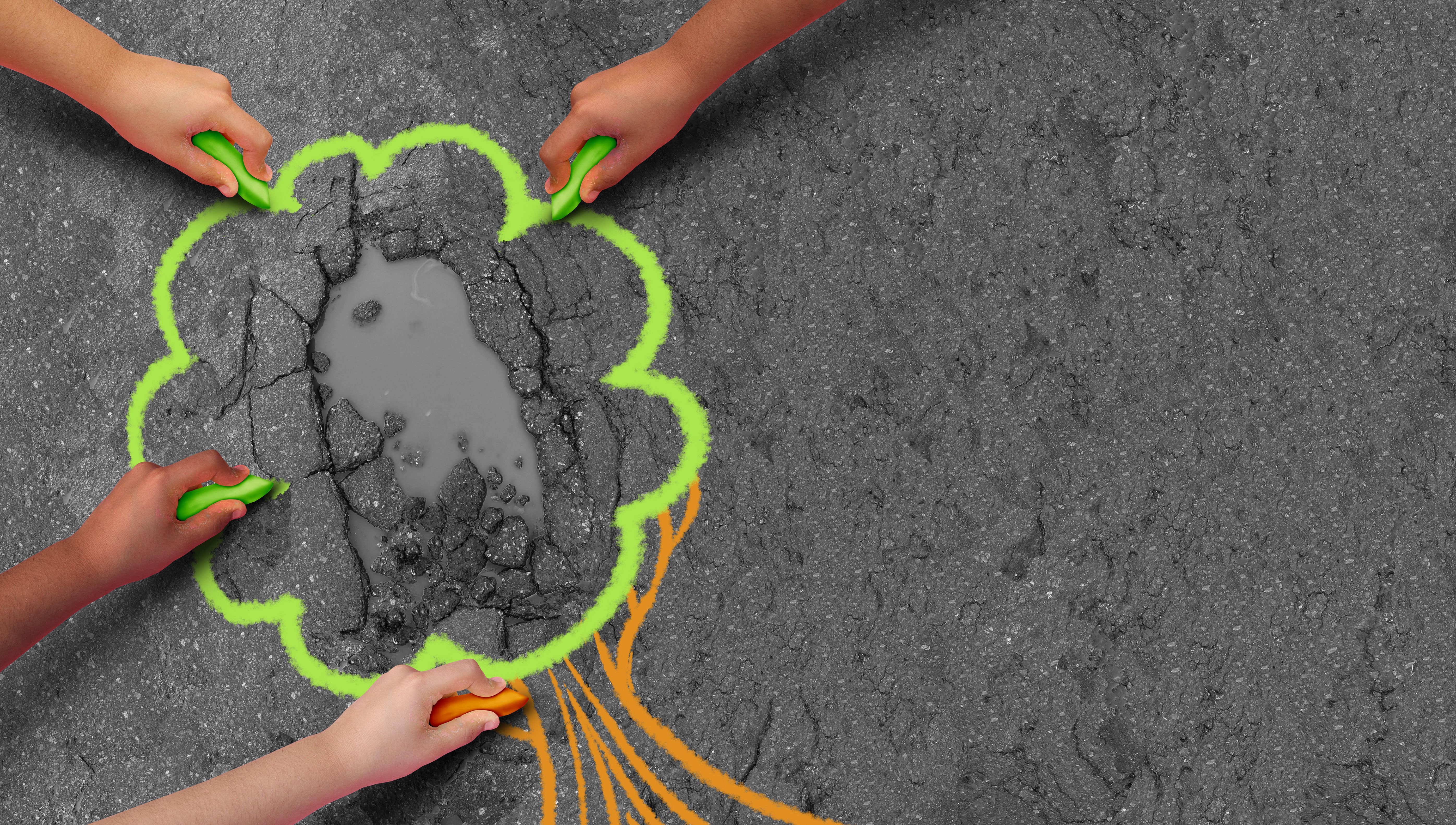
Infrastructure upgrades are a foundational aspect of neighborhood revitalization. Improvements to roads, public transportation, and utilities can significantly enhance the quality of life for residents. Moreover, creating green spaces and parks can provide recreational opportunities and improve the overall aesthetic of the area.
Investments in infrastructure should also include modernizing schools and healthcare facilities, ensuring that residents have access to essential services. These improvements can make neighborhoods more appealing to families and contribute to long-term growth and stability.
Challenges and Solutions
Despite the many benefits, neighborhood revitalization is not without challenges. Gentrification is a common concern, as rising property values can displace long-term residents. To address this, communities can implement policies that protect affordable housing and provide support for vulnerable populations.
Another challenge is securing the necessary funding for revitalization projects. Public-private partnerships can be an effective solution, leveraging resources and expertise from both sectors to achieve common goals. By working together, stakeholders can overcome financial obstacles and create lasting change.
The Impact of Successful Revitalization
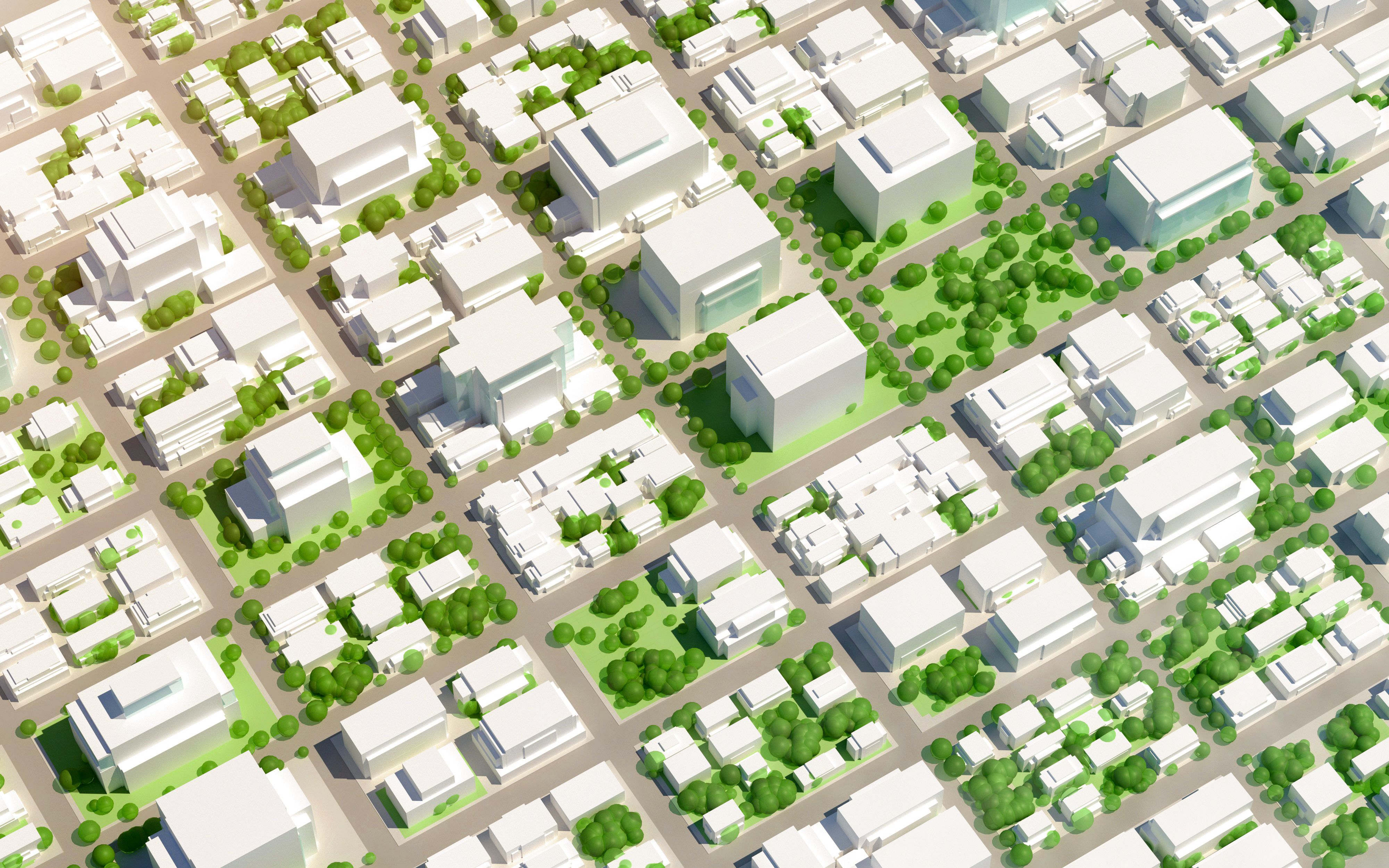
When done effectively, neighborhood revitalization can transform communities into thriving hubs of activity. Residents enjoy improved living conditions, businesses flourish, and a renewed sense of community spirit emerges. These transformations can serve as models for other areas seeking to revitalize their neighborhoods.
By learning from successful revitalization projects, communities can develop tailored strategies that address their unique challenges and opportunities. With commitment and collaboration, the potential for positive change is limitless.