Revitalizing Communities with AI-Powered Housing Development in Virginia
Introduction to AI-Powered Housing
In recent years, Virginia has been at the forefront of leveraging technology to address housing challenges. One of the most promising innovations is the use of AI-powered solutions in housing development. These advancements are not only transforming how homes are built but also revitalizing communities across the state.
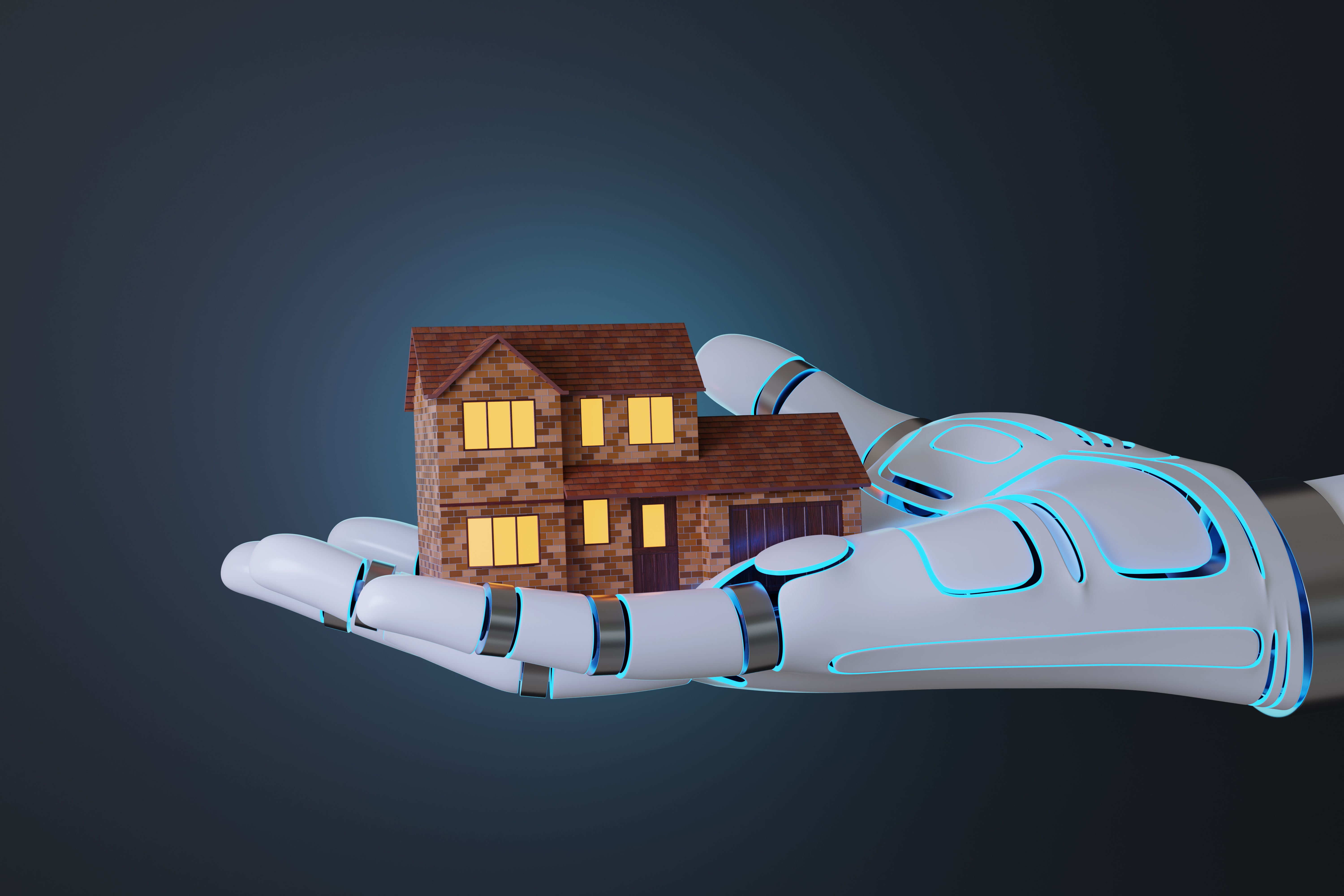
The Role of AI in Modern Housing
AI is reshaping the housing landscape by enhancing efficiency, reducing costs, and ensuring sustainability. Through machine learning, developers can analyze vast datasets to predict housing trends, optimize construction processes, and manage resources more effectively. This results in homes that are affordable, eco-friendly, and tailored to community needs.
Moreover, AI technology helps in designing smart homes that adapt to the preferences and behaviors of their occupants. These homes come equipped with systems that learn from residents’ habits to improve energy efficiency and enhance comfort.
Revitalizing Virginia's Communities
The integration of AI in housing development is playing a crucial role in revitalizing communities in Virginia. By focusing on sustainable and intelligent design, these projects attract new residents and businesses, leading to economic growth and improved quality of life.
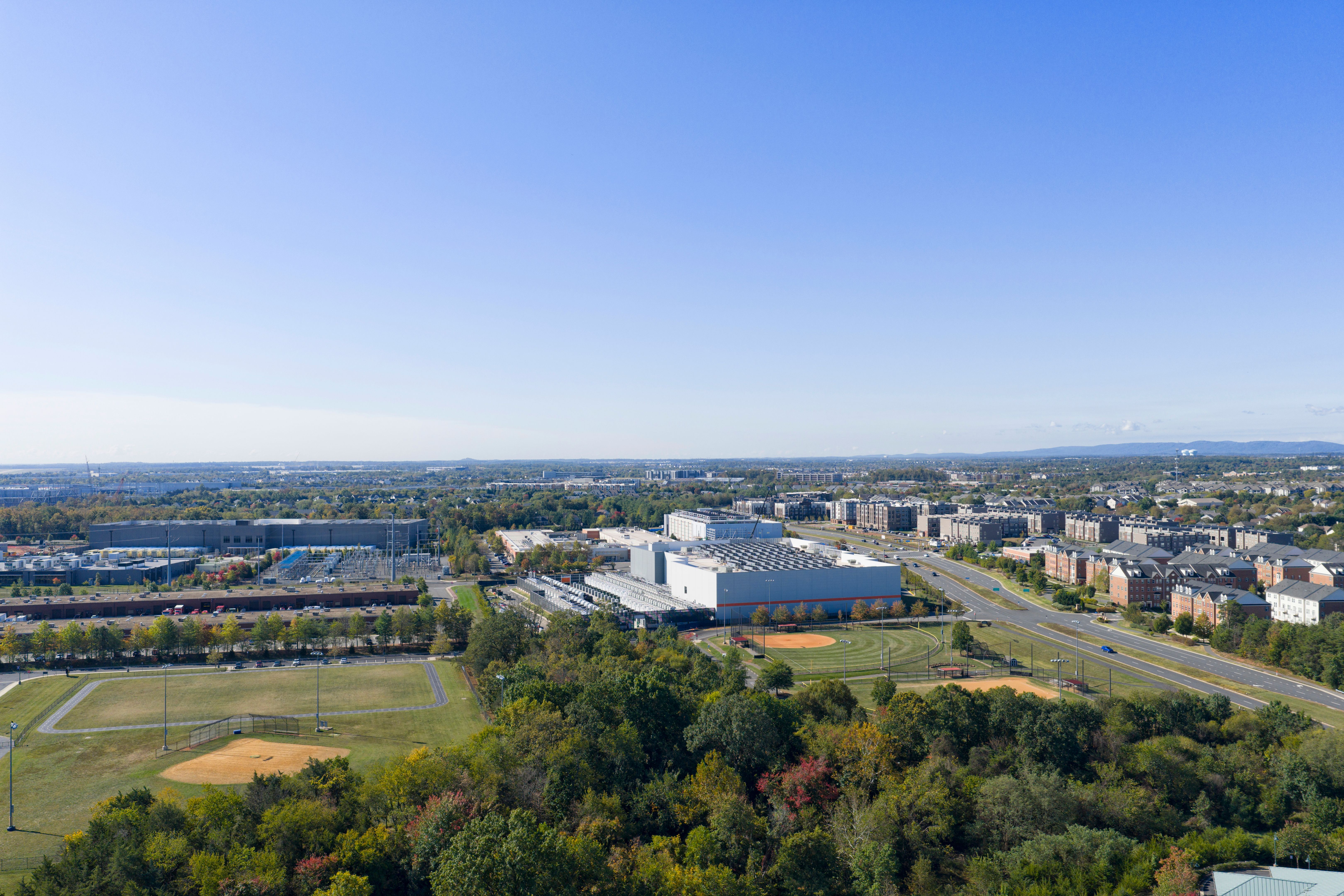
AI-driven housing developments often include mixed-use spaces, combining residential, commercial, and recreational areas. This approach fosters community interaction and creates vibrant neighborhoods where people can live, work, and play.
Benefits of AI-Powered Housing
There are several benefits to AI-powered housing that contribute to community revitalization:
- Energy Efficiency: Smart systems reduce energy consumption, lowering utility bills for residents.
- Cost Reduction: Predictive analytics help minimize construction costs and identify potential issues early.
- Enhanced Safety: AI systems can monitor the structural integrity of buildings and alert authorities to potential hazards.

Challenges and Considerations
Despite its potential, the integration of AI in housing is not without challenges. Privacy concerns, the digital divide, and the need for skilled professionals are significant hurdles. Addressing these issues requires collaboration between government, tech companies, and community leaders.
It's crucial to ensure that AI-powered developments are inclusive and accessible to all residents. This involves creating affordable housing options and providing digital literacy programs to bridge the knowledge gap.
The Future of AI in Housing Development
As technology continues to evolve, the future of AI-powered housing in Virginia looks promising. Continued innovation will likely lead to even smarter, more efficient homes that contribute to sustainable urban development. Collaboration and community involvement will be key to maximizing the benefits of these advancements.
By embracing AI in housing development, Virginia sets a precedent for other states to follow, showcasing how technology can be harnessed to build thriving, modern communities.